Why your legs feel like concrete after a big day on the mountain
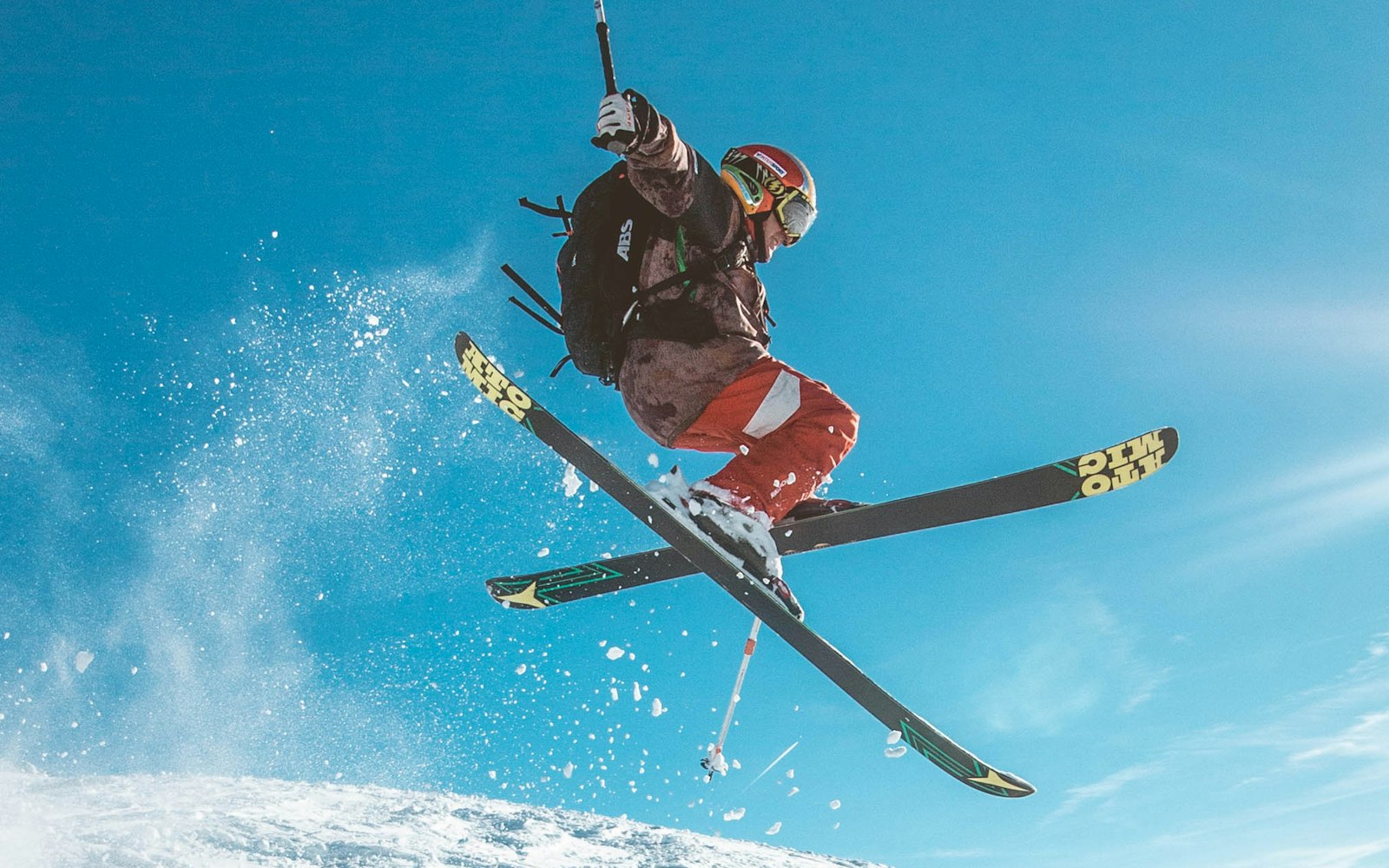
You know the feeling. You wake up the morning after a huge day on the slopes, swing your legs out of bed, and they feel like they belong to someone else. Heavy, stiff, a little bit sore. The good news is that this is completely normal, and it is also very manageable once you understand what is happening underneath.
It is mostly your muscles asking for help
Skiing and snowboarding are deceptively demanding. Every turn, every absorbed bump, every second spent holding a position is your legs working hard, and a lot of that work is eccentric, which means your muscles are lengthening under load rather than shortening. Eccentric work is brilliant for building strength, but it is also the type of effort most likely to leave you sore a day or two later.
On top of that, you are usually at altitude, often a little dehydrated, and moving for hours at a time. Your muscles accumulate metabolic by-products, blood flow slows when you finally stop and sit down for that vin chaud, and tissue that worked hard all day starts to tighten up as it cools.
What actually helps
There is a lot of noise out there about recovery, so here is what genuinely moves the needle.
Keep moving, gently. The worst thing you can do is go from a full day of skiing straight to sitting still for the whole evening. A short, easy walk, some light mobility, or a few minutes of gentle stretching keeps blood moving through the muscle and helps clear the system.
Hydrate properly. Altitude and cold both quietly dehydrate you, and dehydrated muscle tissue is stiffer and slower to recover. Water first, and a little electrolyte support if you have had a really big day.
Sleep is the real recovery session. Most of the repair work happens overnight. Protecting your sleep after a hard day does more than any gadget or supplement.
Massage, done well. This is where hands-on work earns its place. A focused sports massage increases circulation through tired tissue, releases the areas that have tightened up, and helps your legs feel like your own again. It also gives you a clear read on what is actually tight versus what just feels tight, which is useful if you are skiing several days in a row.
The point is to enjoy the next day too
Nobody comes to the mountains to spend their holiday feeling wrecked. The aim of good recovery is simple: to let you ski hard, feel good, and do it all again tomorrow without your legs holding you back.
If you are in resort and your legs are telling you they have had enough, a session can make a genuine difference to how the rest of your trip feels. That is exactly what this is for.
Tired legs, a niggle, or just want to feel your best? Zack comes to you across Méribel and Courchevel.